Drones and video surveillance: 5 mistakes to avoid
How an intelligent autonomous drone is built
Ciro Gerla
June 14, 2025
Categories
Upcoming Event
Bali Paradise
19
Jul
- Nusa Dua
- 23 July 2021
Heaven City
11
Aug
- Sea Forest
- 11 August 2021
How an intelligent autonomous drone is built
From the idea to the automated mission: the process behind building a drone that can make decisions with no human intervention.
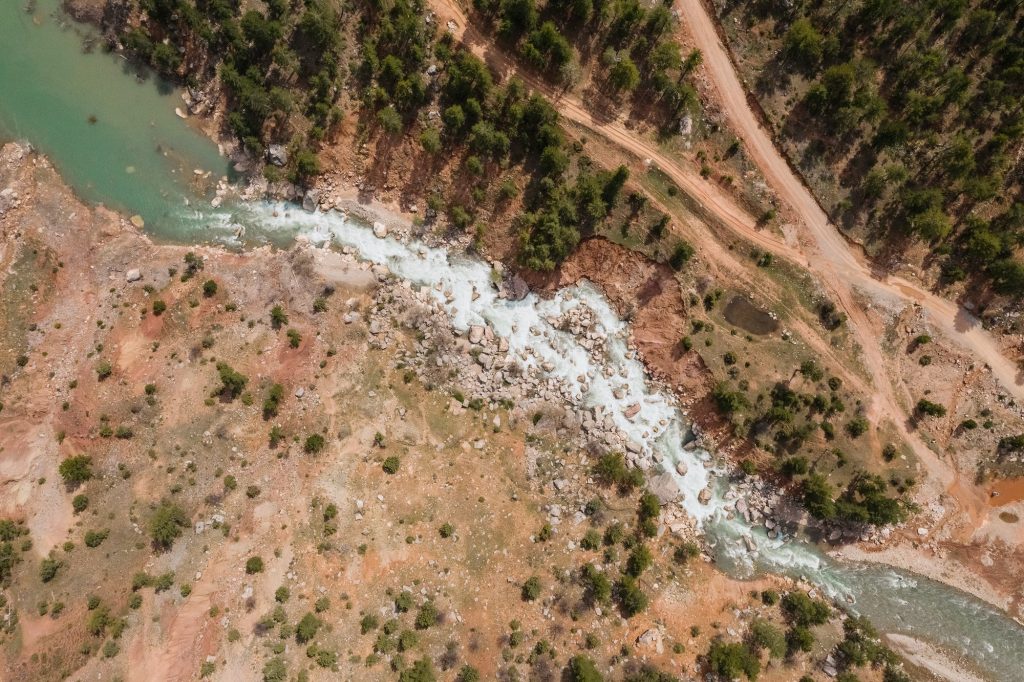
An autonomous drone is not simply an aircraft with GPS. It is a machine that perceives its environment, interprets data in real time and acts on intelligent decision logic. But how is a system this advanced actually developed?
Lorem ipsum dolor sit amet, consectetur adipiscing elit, sed do eiusmod tempor incididunt ut labore et dolore magna aliqua. Ut enim ad minim veniam quis nostrud exercitation ullamco laboris. Vivamus lectus metus, efficitur nonarcu.
Aeropict - Aerial Drones
1. The hardware: a reliable platform
It all starts with the choice of drone. You need thermal sensors, high-resolution cameras, RTK GPS and an automated charging station (such as the DJI Dock) to allow continuous missions with no operator.
2. The sensors: the eyes and ears of the system
To be autonomous, the drone has to gather data from several sources: movement, heat, distance, obstacles. The integrated sensors are what let it “see” the environment in any condition, including at night or in fog.
3. Onboard AI: the brain of the machine
This is where the real intelligence comes in: computer vision models and edge computing that let the drone identify an intruder, follow a subject, avoid obstacles and make decisions based on the scenario.
4. Mission software: automation and logic
Every intelligent drone needs a system to program missions, manage flight paths, analyze data and respond to events. This is where FlyAdvance builds its technological core.
5. Operational validation
After development, every drone is tested in simulated and real environments to verify its accuracy, its reliability and its autonomous behavior in complex situations. Safety comes first.
An intelligent autonomous drone is the result of bringing robotics, AI and software design together.
With FlyAdvance we are developing solutions that can replace entire surveillance systems, react to the unexpected and make security an active, adaptive process.
Autonomy is not just a feature: it is a vision.
Capabilities For Aerial Photography
- You can apply for aeropict service
- Choose and order your service
- please make payment
- Save proof of payment
- Drone aerial is ready for you